Chemical Cleaning
HRSG Chemical Cleaning: Preparation, Execution and Verification
HRSG chemical cleaning planning: circuit boundaries, material assessment, temporary circulation, process monitoring and final acceptance.
Why is HRSG chemical cleaning performed?
A heat recovery steam generator uses energy from gas turbine exhaust. Chemical cleaning addresses identified contamination through a method compatible with circuit materials. Pre-commissioning assessment considers fabrication and installation oils, residues and oxides, while maintenance cleaning considers operating deposits and service history. These situations can require different chemical routes and control plans. Plant age or output alone does not determine the need for cleaning; manufacturer requirements and the circuit condition must be reviewed together.
Defining the cleaning circuit
Applicable pressure circuits, economizer and evaporator sections are identified on piping and instrumentation diagrams (P&IDs). Other sections are included only where the approved scope requires them. Equipment within and outside the scope, isolation points, supply and return connections are agreed before execution. Boundaries establish circulation paths, temporary connections and sampling locations. Plant output does not replace these engineering inputs: each cleaning circuit is assessed against its volume and connection arrangement.
Materials and deposit assessment
Materials, circuit volumes, manufacturer specifications and available analyses inform method selection. Deposit characteristics and metallurgy are reviewed together to select a suitable inhibited solvent or complexing route. Degreasing and oxide or deposit removal serve different purposes. Product, temperature, concentration and duration limits are established in the approved procedure. Rather than transferring a general acid recipe between HRSG systems, selection considers all circuit materials and manufacturer restrictions.
Procedure development and responsibilities
Kelven Kimya can develop a procedure from system data and technical specifications for customer approval, or execute an approved procedure supplied by the customer or equipment manufacturer. Both approaches require agreement on boundaries, inspection points, acceptance criteria and responsibilities before work. Required stage approvals and the assessment process for site changes are defined. This connects cleaning execution with plant maintenance and commissioning schedules.
Pump selection and temporary circulation
Pumps and temporary piping are assessed against circuit volume, required circulation and pressure losses. Kelven Kimya carries out site work using its own chemical cleaning equipment and pumps; the configuration for each project is confirmed through technical assessment. Supply and return paths, sampling locations, required heating and compatibility of wetted materials are reviewed. Water, power, lifting, access, drainage and waste responsibilities are agreed in advance. Preparations must support both cleaning stages and final rinsing.
Cleaning stages and process monitoring
The approved sequence starts with circuit preparation and required flushing, followed by selected degreasing and deposit-removal stages. Every stage is not required in every project. Temperature and circulation are recorded alongside pH, active chemical concentration and dissolved iron where specified. Measurement trends support assessment of stage endpoints. Elapsed time alone does not establish completion. Results and deviations are recorded, with reviews and acceptance at the defined hold points.
Rinsing, final checks and preservation
Rinse criteria and inspection requirements are agreed before execution. Required neutralisation, passivation and preservation are selected according to equipment requirements and the approved procedure. The interval before commissioning is assessed for recontamination and surface protection. The contractual handover package may include the approved procedure, execution logs, analysis results, inspection records and preservation instructions. Site photographs document the work but do not replace required measurements and inspections.
Aksa Enerji Antalya HRSG field reference
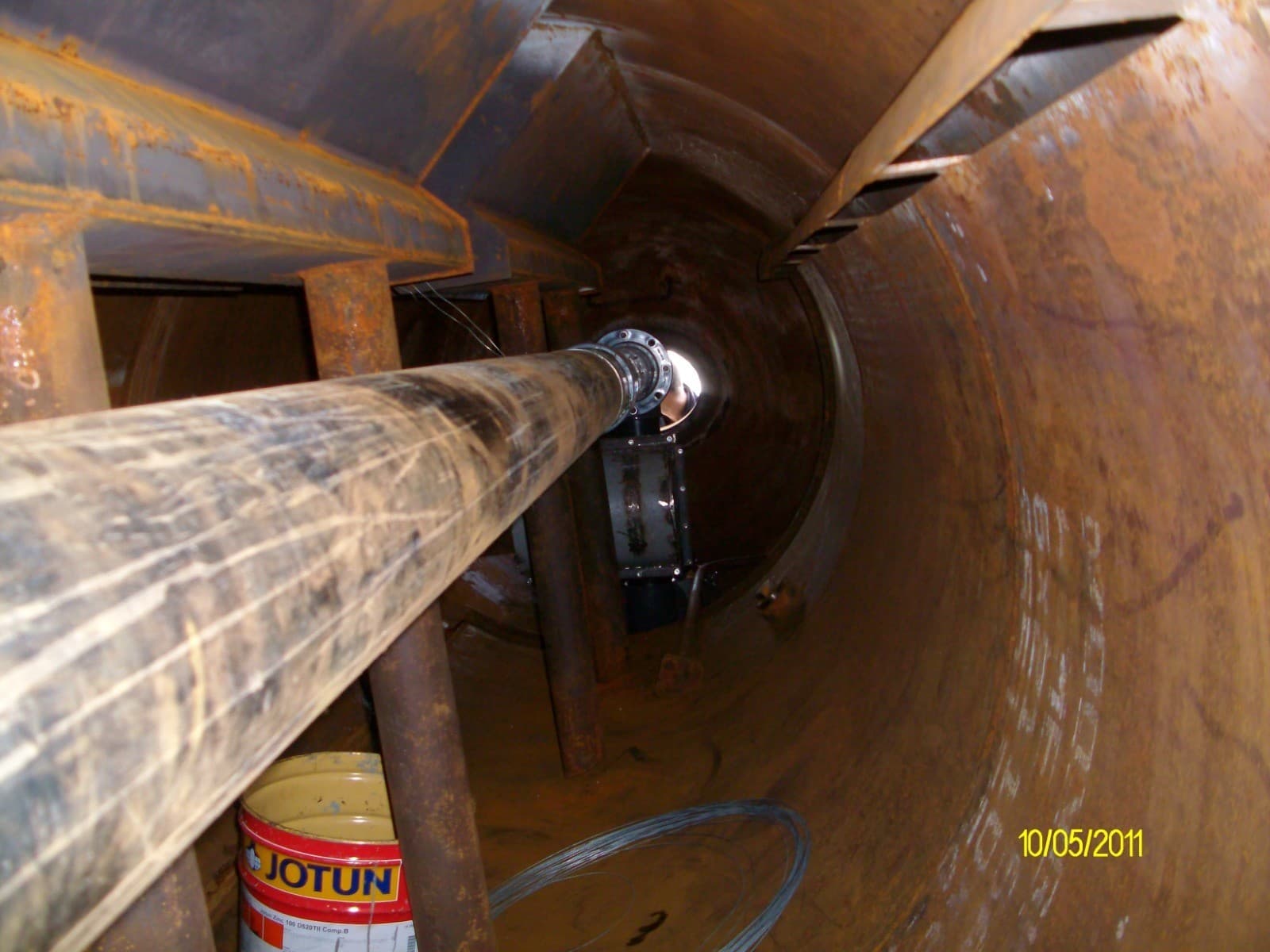
Kelven Kimya references include HRSG chemical cleaning at units 5 and 6 of the Aksa Enerji Antalya combined cycle plant. The company service presentation states a plant capacity of 820 MW; this is not the volume of the cleaned circuit or a pump duty. The drum and piping photograph comes from this field archive. The reference illustrates circuit planning and site preparation; chemical routes and acceptance criteria for another plant must be established from its own technical data.
Technical assessment checklist
- P&IDs, pressure circuits and excluded equipment
- Metallurgy, circuit volumes and available deposit analyses
- Manufacturer specifications, procedure and acceptance criteria
- Connections, sampling, water, power and drainage
- Shutdown schedule, waste management and handover records
Frequently Asked Questions
How long does HRSG cleaning take?
Circuit volume, contamination, connection preparations, selected stages and verification requirements are assessed together. Duration is planned after the technical scope is established.
Does every HRSG require acid cleaning?
The route depends on deposits, materials and manufacturer requirements. The same acid or sequence is not appropriate for every circuit.
How is completion verified?
Stage measurements, rinse criteria and required inspections are assessed against the approved acceptance conditions. A photograph or elapsed time alone does not establish acceptance.
What information is needed for a quotation?
P&IDs, materials, circuit volumes, manufacturer specifications, available analyses, site location and shutdown schedule support initial assessment.