Chemical Cleaning
Chemical Pre-cleaning: The Pre-commissioning Process
Explore chemical pre-cleaning: oil and oxide removal, material compatibility, rinsing, any required passivation, analysis and completion reporting.
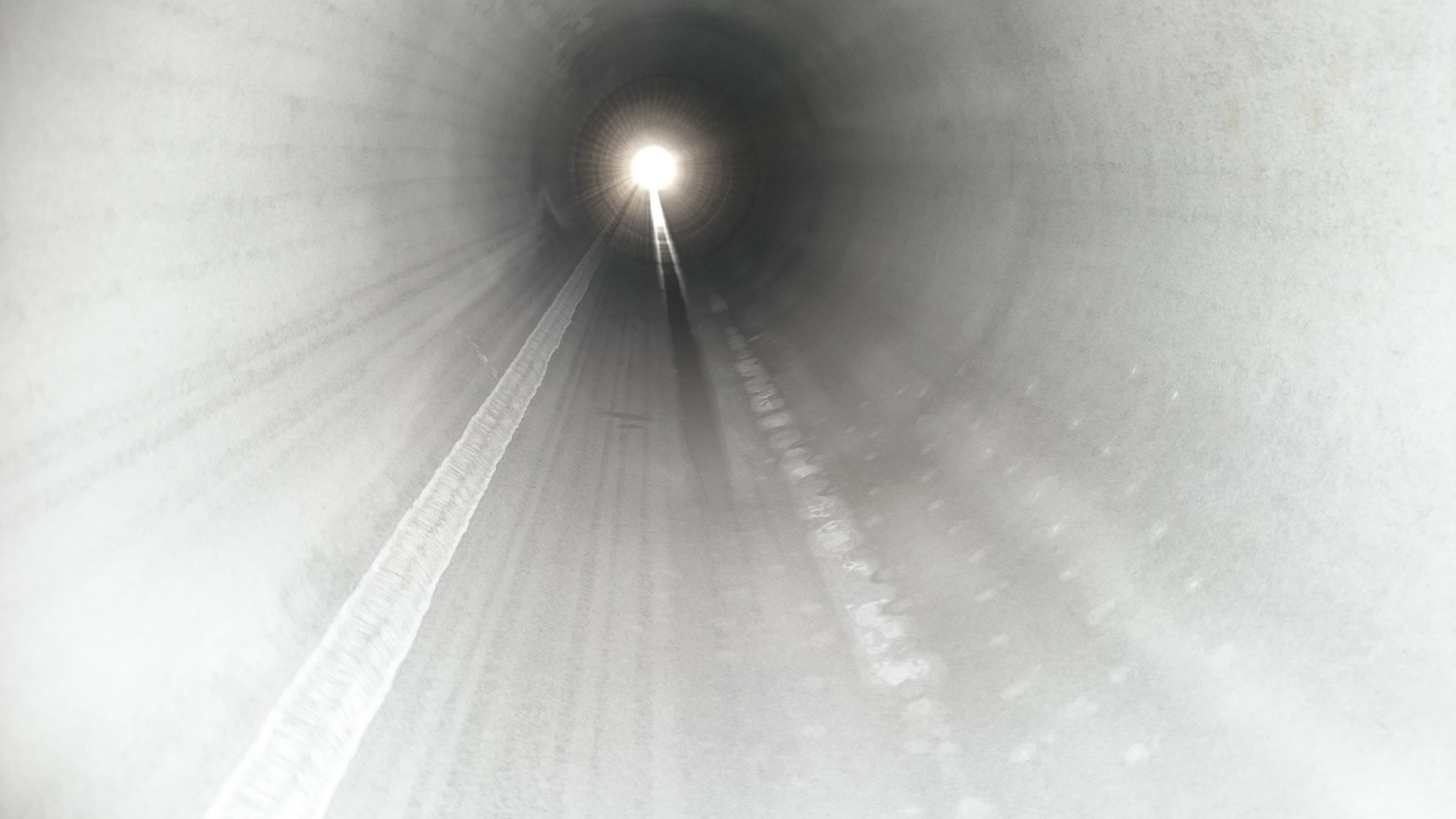
What is chemical pre-cleaning?
Chemical pre-cleaning uses material-compatible methods to remove contaminants such as oil, grease, rust and oxides before a new industrial system enters service. Assess fabrication, storage and installation residues against project and manufacturer acceptance requirements. Select the method from actual contamination and material information rather than assuming that every new system needs the same treatment.
Oil and grease removal
Plan a suitable degreasing stage for fabrication oils, grease and protective residues. Where appropriate, select alkaline or surfactant-containing cleaning products after reviewing wetted materials and manufacturer restrictions. Removing oily films supports contact between subsequent cleaning solutions and the target surfaces. Monitor concentration, temperature, circulation and completion criteria under the approved procedure.
Rust and oxide removal
Degreasing and oxide removal serve different purposes. Where oxide removal is required, select a suitable solvent or complexing method for the contamination and metallurgy. Acid cleaning is not automatically required, and a method suitable for carbon steel cannot simply be transferred to stainless steel or other wetted materials. Assess compatibility, any required inhibitors and operating limits together.
Which systems require assessment?
Process piping, tank connection circuits, closed water circuits and designated power-plant systems may require pre-commissioning cleaning. Boilers and HRSGs follow their own manufacturer requirements and approved procedures. A general pipework flushing operation does not replace these requirements. Metals, seals and other wetted materials must be assessed together.
Define circuit boundaries before work starts
Review P&IDs, line lists and equipment details to define cleaning boundaries, exclusions and isolation points. Assess protection or temporary removal of sensitive components against manufacturer instructions. Identify supply and return connections, drains, vents and sampling points. Review dead legs and low-flow areas so that the planned cleaning flow reaches the intended pipework.
Chemical circulation and process analysis
Plan pumps and temporary connections for circuit geometry and pressure losses so that cleaning solution reaches the intended surfaces. Monitor temperature, circulation and the parameters required by the procedure, which may include pH, active chemical concentration or dissolved iron. Assess trends against completion criteria; elapsed time alone does not demonstrate successful cleaning. There is no universal recipe or cleaning duration for every system.
The supporting role of flushing
Water flushing can remove loose particles and support washing before or after chemical treatment. It does not replace chemical pre-cleaning. Sequence degreasing, any required oxide removal, intermediate rinses and final washing according to contamination and the approved procedure.
Rinsing and acceptance checks
Agree completion criteria with the client and relevant technical parties before execution. Depending on the project, checks may include visual inspection, filter or strainer inspection, water sampling and specified analyses. After chemical treatment, rinse to the termination criteria in the procedure. Clear-looking discharge water alone does not demonstrate that all acceptance conditions have been met. Record execution and measurement results for handover.
Protect the cleaned system until start-up
Open connections, unsuitable fill water or later installation work may reintroduce contamination. Plan closure, preservation and any required passivation for the period before commissioning. Arrange waste-solution and rinse-water management for site conditions and applicable requirements. Pre-cleaning does not replace operating water treatment and routine monitoring.
Post-cleaning reporting
Completion reporting documents the cleaned circuit and the basis for acceptance. Agree the scope before execution; it may include circuit boundaries, cleaning stages, chemicals used, time and temperature records, sampling and analysis results, rinsing checks and available inspection photographs. Record acceptance findings, deviations and preservation recommendations as agreed for handover. Photographs do not replace required analyses and inspections.
Technical assessment with Kelven Kimya
Kelven Kimya provides chemical pre-cleaning tailored to piping and process-system requirements, using its own equipment and circulation pumps. Share P&IDs, materials, circuit volumes, available connections and the commissioning schedule to support assessment. Use the service link below to review the scope or contact us to discuss your project.
Technical assessment checklist
- P&IDs, line lists and cleaning boundaries
- Materials, circuit volumes and known contamination
- Manufacturer requirements and acceptance criteria
- Water, power, temporary connections, drainage and waste arrangements
- Commissioning schedule and post-cleaning preservation plan
Frequently Asked Questions
Which contaminants does chemical pre-cleaning address?
Depending on the selected method, targets include oil, grease, rust and oxides. No single chemical suits every contaminant; assess materials and contamination before selection.
What can a completion report include?
Depending on the agreed scope, it may include cleaning stages, measurements and analyses, rinsing and acceptance checks, available photographs and preservation recommendations. Agree handover requirements before work starts.
How long does pre-cleaning take?
Duration depends on circuit size, connection preparation, contamination, selected stages and acceptance checks. A fixed duration requires project assessment.
Does new pipework always need acid cleaning?
No. Select the method after assessing contamination, material compatibility and manufacturer requirements.
Can the system start operating immediately after cleaning?
Cleaning acceptance must be accompanied by the other manufacturer and site commissioning checks. Apply suitable preservation if start-up is delayed.